How to Segment Loyal Shoppers for Repeat Sales
Learn how to segment loyal shoppers by buying habits, needs, and timing, so your direct sales follow-up feels personal, organized, and easy to manage.
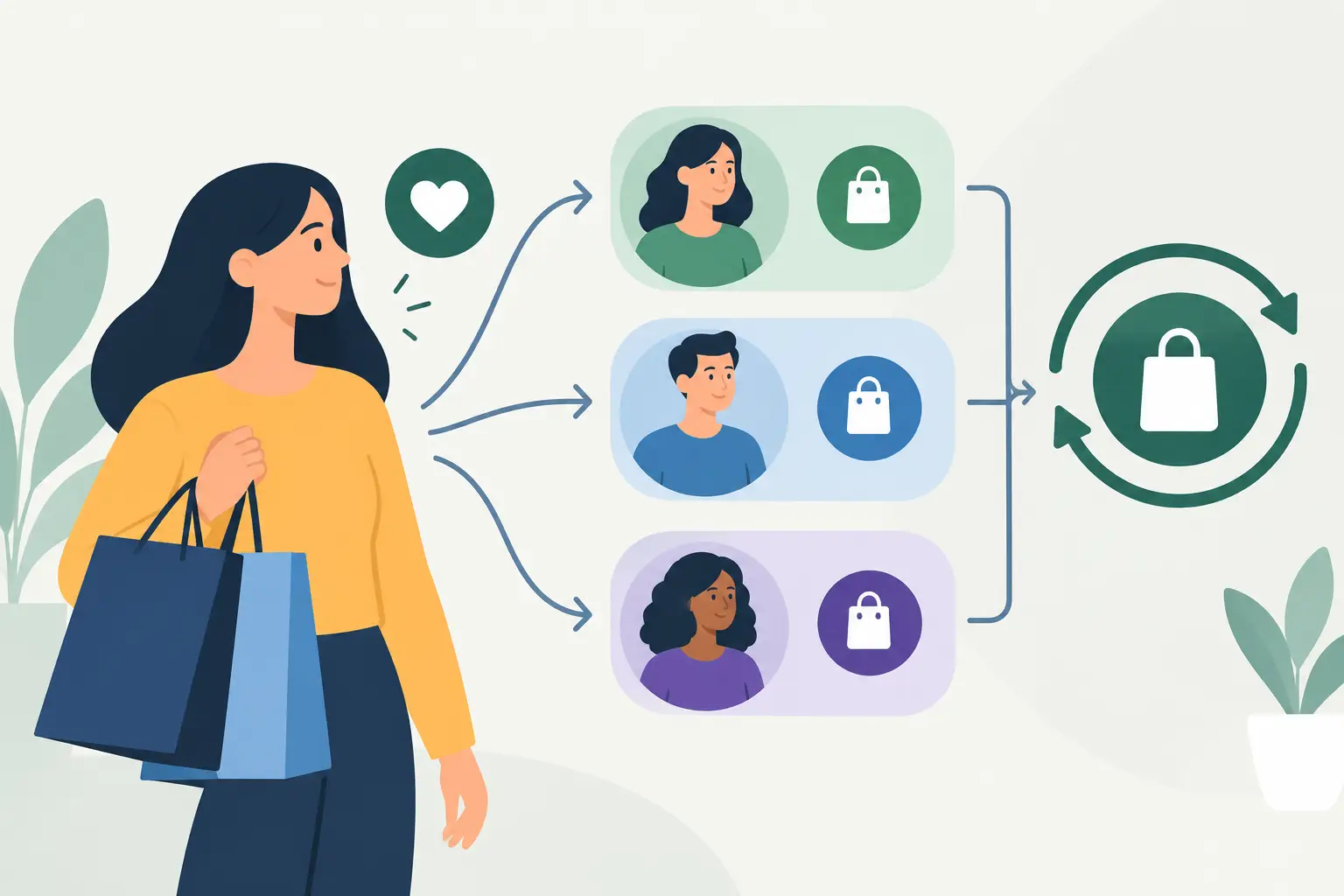
Your loyal shoppers should not receive the same message at the same time for the same reason. The customer who orders every two months needs a different follow-up than the host who loves product parties, the shopper who only buys gifts, or the customer who has not ordered in six months. Learning how to segment loyal shoppers helps you care for each relationship without turning your customer follow-up into a full-time guessing game.
For a busy direct sales consultant, segmentation is simply a way to group customers by what they need next. It gives you a clearer plan for who to contact, what to recommend, and when to reach out. Less chaos. More customer closeness. More sales confidence.
The segments will look different depending on your business. A Mary Kay consultant may think in skincare refills, shade preferences, and sample follow-ups. A Pampered Chef seller may think in party guests, hosts, gift buyers, and kitchen problem-solvers. A Scentsy consultant may think in fragrance families and seasonal favorites. A Color Street or Paparazzi seller may think in style preferences, fast claims, and customers waiting for similar items. Different products, same goal: follow up in a way that feels remembered, not random.
Why loyal shoppers need different follow-up
A loyal customer is valuable because she already knows you, trusts your service, and has bought from you before. But loyalty does not always look the same. One customer may place small, frequent orders. Another may make one larger seasonal purchase. A third may refer friends, attend every online party, and rarely order outside an event.
If all three receive the same broad message, it can feel impersonal. Worse, you may miss a useful opportunity to follow up at the right time. A skincare customer may need a replenishment reminder. A kitchen-product shopper may respond better to a seasonal recipe event. A customer who buys gifts may appreciate early holiday ideas rather than a restock message.
Segmentation helps you protect your time, too. Instead of scrolling through old chats and trying to remember what everyone bought, you can focus on the customers most likely to benefit from a thoughtful check-in this week.
Think of the difference between these three messages: a Mary Kay customer needs a reminder before she runs out of a cleanser, a Thirty-One customer may appreciate gift ideas before a busy season, and a Scentsy customer may want to know when a favorite scent family returns. None of those messages should sound the same, because the customer need is not the same.
Start with customer details you already have
You do not need complicated reports or a large team to segment your customers. Most independent consultants already have the information they need in order history, party notes, invoices, messages, and customer profiles. The challenge is keeping it in one organized place.
Begin with the information that genuinely affects your follow-up: purchase date, products purchased, average order size, party attendance, hosting history, preferred contact method, and useful personal notes such as birthdays or product preferences. Keep notes respectful and relevant. The goal is better customer care, not collecting details you will never use.
A direct sales CRM can make these details easier to find on your phone. When customer notes, orders, payments, and appointments are scattered across paper, WhatsApp, spreadsheets, and memory, even simple segmentation becomes difficult. A complete customer profile gives you a more reliable starting point.
Good segmentation often starts with small notes. “Likes neutral nail styles.” “Buys gifts before holidays.” “Prefers text.” “Hosted last spring.” “Asked about quick dinner tools.” “Interested in cozy scents.” These details may look simple, but they help you decide who needs a reorder reminder, who needs a party invitation, and who needs space.
How to segment loyal shoppers in five practical groups
You do not need ten customer categories on day one. Start with a few groups that match how your business actually works. The best groups are easy to identify and lead to a clear next action.
1. Regular replenishment customers
These are shoppers who buy products that run out, such as cosmetics, personal care items, household products, supplements, fragrance products, or other consumables. Look at the time between their previous orders. If someone usually reorders every six to eight weeks, set a reminder slightly before that window.
Your message can be simple: ask whether they are running low, whether they want help choosing a replacement, or whether they would like to see what is new. Do not assume they need the exact same item. A short question leaves room for their changing needs.
For example, a Mary Kay or Avon customer may appreciate a gentle refill check-in. A Scentsy customer may need a reminder when she may be ready for more of a favorite fragrance. A Norwex customer may appreciate a practical use or care reminder before a related product suggestion. The best replenishment message feels like service, not pressure.
2. High-value repeat customers
This group includes customers who order regularly, place larger orders, or consistently choose premium products. They deserve steady attention, but that does not mean constant selling.
Make their follow-up feel useful. Let them know about products connected to past purchases, invite them to an event that fits their interests, or ask for honest feedback after trying something new. These customers can also be strong sources of referrals because they have experienced consistent service from you.
A high-value customer is not always the person with the largest single order. A Pampered Chef guest who becomes a repeat host can be just as important as someone who buys a large bundle once. A Color Street customer who orders smaller sets often and shares your posts may deserve a different kind of attention than someone who buys once a year. Look at relationship value, not just order totals.
3. Party guests and past hosts
A party guest may be a loyal community member even if she does not order every month. She may enjoy seeing demonstrations, asking questions, and buying when there is a special occasion. A past host is different again: she has already trusted you with her friends and her time.
Track party guests, active hosts, and former hosts separately. Invite guests to future product parties or online events based on the categories they enjoy. For past hosts, a warm check-in can include a thank-you, an update on new offerings, or a conversation about hosting again when it makes sense. Avoid treating every former host as an automatic booking opportunity. Relationship first, invitation second.
A Tupperware or Pampered Chef host may be open to another event when there is a fresh theme or seasonal need. A Mary Kay host may be more interested in a relaxed beauty night than a large party. A Scentsy host may respond well when there is a new scent collection. A Paparazzi or Color Street guest may prefer live or online events where she can see what is available quickly. Segmenting by event relationship helps you invite people with more care.
4. Seasonal and gift buyers
Some shoppers appear around birthdays, holidays, graduation season, teacher gifts, host gifts, or other events. Their loyalty may be tied to thoughtful gift buying rather than personal use. If you only review them as inactive customers, you may contact them at the wrong time.
Add notes about why and when they bought. Then create reminders before the next relevant season. Offer ideas based on their past budget or product category, not a generic sales message. An early, helpful message can make you the first person they think of when they need a gift.
A Thirty-One customer who buys personalized gifts may appreciate an early reminder before holiday ordering gets busy. An Avon customer who buys seasonal items may need a message before the campaign changes. A Pampered Chef customer may like practical gift ideas before wedding or graduation season. A Color Street or Paparazzi customer may be interested in styles that match upcoming events. Seasonal buyers are not inactive; they are often timing-based.
5. Quiet loyal customers
Some customers buy consistently but do not reply often, join parties, or interact on social media. Do not mistake quiet for uninterested. Their order history may show that they value convenience and prefer a direct, low-pressure experience.
Use their preferred communication method and keep messages brief. A customer who only responds to text may not want several social media reminders. Respecting that preference is part of good customer relationship management.
A quiet Mary Kay customer may simply want a reorder link when it is time. A Scentsy customer may prefer one message when a favorite product category is relevant. A doTERRA or Young Living customer may prefer direct, practical communication that stays within company guidelines. A quiet customer can still be loyal. The segment helps you avoid over-messaging while still serving her well.
Turn each segment into a simple routine
A customer segment is only useful when it changes what you do next. For each group, decide on one follow-up rhythm and one purpose. Replenishment customers may need a monthly review. Past hosts may need a quarterly check-in. Seasonal shoppers may only need contact before key buying periods.
Set tasks rather than relying on memory. For example, after entering an order, create a future task based on the likely reorder date. After a party, tag guests by the products they liked and schedule a short follow-up. When an invoice is unpaid, keep that separate from marketing follow-up so your message stays clear and professional.
This structure also helps you avoid over-contacting customers. More messages do not always create better relationships. It depends on the customer, the product type, and how recently you have spoken. A useful message at the right time is more valuable than frequent messages with no clear reason.
A simple weekly rhythm might look like this: Monday for reorder reminders, Tuesday for unpaid orders, Wednesday for party guests, Thursday for past hosts, and Friday for seasonal or gift buyers. You do not need to follow that exact schedule. You need a rhythm that stops loyal customers from disappearing into one long contact list.
Use tags, but keep them manageable
Tags make segmentation easier, especially when you need to filter customers quickly before a party or a follow-up session. The risk is creating too many tags and forgetting what they mean.
Choose a small, consistent set. You might use tags for product interest, customer type, event status, and follow-up timing. For example, a customer could be tagged as “skincare,” “repeat buyer,” and “text preferred.” That gives you enough context without creating a complicated filing system.
Review your tags once a month. Remove outdated labels, update product interests, and check whether a customer has moved into a different group. A guest who becomes a regular shopper should not remain buried in an old party-attendee list.
Tags should help you act. “Scentsy — cozy scents” is useful if you actually follow up when cozy scents return. “Pampered Chef — quick meals” is useful if it helps you invite the right people to a demo. “Color Street — neutrals” is useful if you send relevant style updates. Tags that never change what you do are just digital clutter.
Watch for customers who may be drifting away
Segmentation is not only about your most active buyers. It also helps you notice customers who used to order regularly but have gone quiet. Create a group for customers whose expected reorder period has passed, then reach out with genuine curiosity.
A good message does not pressure them to buy. Ask how they liked their last order, whether they need help finding something similar, or whether their needs have changed. Sometimes customers stopped ordering because they were busy, moved, had a budget change, or simply forgot. Sometimes they are no longer interested. Both answers are useful because they help you keep your customer list accurate and your follow-up respectful.
For example, instead of saying, “You have not ordered in a while,” try: “Hi Anna, I was updating my customer notes and thought of you. Are you still enjoying the products you chose last time, or would you like help finding something different?” That gives the customer a comfortable way to respond without feeling chased.
Measure what actually works
After a few weeks, review each segment. Which group responds most often? Which follow-up leads to repeat orders? Which messages take time but create little response? You do not need advanced analytics to learn from your results. A simple note of contacts made, replies received, and orders placed can show patterns.
Do not judge a segment only by immediate sales. Past hosts may create future bookings. Quiet customers may order less often but remain steady for years. Seasonal shoppers may only buy a few times a year but come back reliably when the timing is right. The purpose is to make better decisions, not to reduce people to numbers.
You may discover that Mary Kay refill reminders work best after a certain number of weeks, that Scentsy customers respond more when you mention scent families, that Pampered Chef party guests like practical recipe ideas, or that Color Street and Paparazzi customers need faster follow-up because availability changes quickly. Those insights help you serve better without guessing.
MyPink Party can help keep customer profiles, order history, follow-up tasks, parties, invoices, and notes together, so your segments are based on real customer relationships instead of scattered information. Start with one or two groups, build a routine you can maintain, and let every follow-up show that your customers are remembered.
When you are ready for less chaos and more customer closeness, try MyPink Party.
Brand names are mentioned as neutral examples of direct sales consultant workflows. MyPink Party is not affiliated with, endorsed by, or officially connected to these brands unless explicitly stated.
You might also like

Party Commerce: A Better Way to Run Sales
Party commerce turns gatherings and social conversations into sales. Learn how to manage follow-ups, orders, payments, and repeat customers every day.

How to Log Customer Preferences for Better Follow-Up
Learn how to log customer preferences, personalize follow-up, and keep every direct sales customer detail organized from your phone with confidence daily.

Backorder Recovery for Direct Sales Consultants
Backorder recovery helps direct sales consultants protect customer trust, organize follow-ups, and turn delayed items into stronger repeat relationships.